Today I’m hosting Paromita De, author of Paromita: The Value In a Name in my blog. It is my pleasure to welcome Ms. De to this episode of the author interview.

Paromita De is a passionate children’s picture book author, dedicated high school teacher, loving wife, and mom who believes that every child has a story worth telling. With a deep commitment to nurturing creativity and curiosity in young minds, she blends her professional expertise in education with her creative passion for storytelling.
A proud graduate of the University of California, Irvine (UC Irvine), Paromita brings a unique, academic, and nurturing perspective to her children’s literature, crafting narratives that are both engaging and educational.
When she is not in the classroom inspiring high school students or crafting new, magical worlds for her picture books, Paromita can likely be found indulging in her favorite ritual: enjoying a quiet, comforting lavender latte while brainstorming her next story. Her writing is largely inspired by the daily wonders of life, the innocence of childhood, and the joys of being a mom. Paromita resides in California with her family.
Q:For readers meeting you for the first time, could you tell us a little about yourself and what first inspired you to become a writer?
My dream of becoming a writer and a teacher started when I was just five years old—it was a simple, childhood dream to teach and tell stories.
The real turning point for me was high school. I was lucky enough to be part of the Live Poet’s Society, a space that gave me the quiet confidence to explore my own voice through poetry. I owe so much to my teacher, Mr. Root. He saw something in me that I hadn’t yet seen in myself. His mentorship was a gift that truly shaped my heart and my career, teaching me that being an educator is about so much more than just a lesson plan—it’s about inspiration
Q:Your book Paromita: The Value in a Name seems deeply personal right from its title. What made you choose to build a story around identity and the meaning carried within a name?
Paromita is really a piece of my heart. The deepest inspiration behind it was my son. Like me, he has an East Indian name, and I wrote this story because I want him to carry it with absolute pride. Having experienced the sting of being teased for my own name, I wanted to create something that would protect my son’s spirit
Q: The idea of names often carries emotional, cultural, and even generational weight. What does the name “Paromita” personally represent to you?
My name represents my culture, my heritage, my identity, and the love of my parents and ancestors Our names are the very first gift we receive when we enter this world. They are a sacred link to our past, carrying the weight of our culture and the deep love of the ancestors who came before us.
Q: Children’s stories may look simple on the surface, but they often carry profound messages underneath. How did you balance simplicity with emotional depth while writing this book?
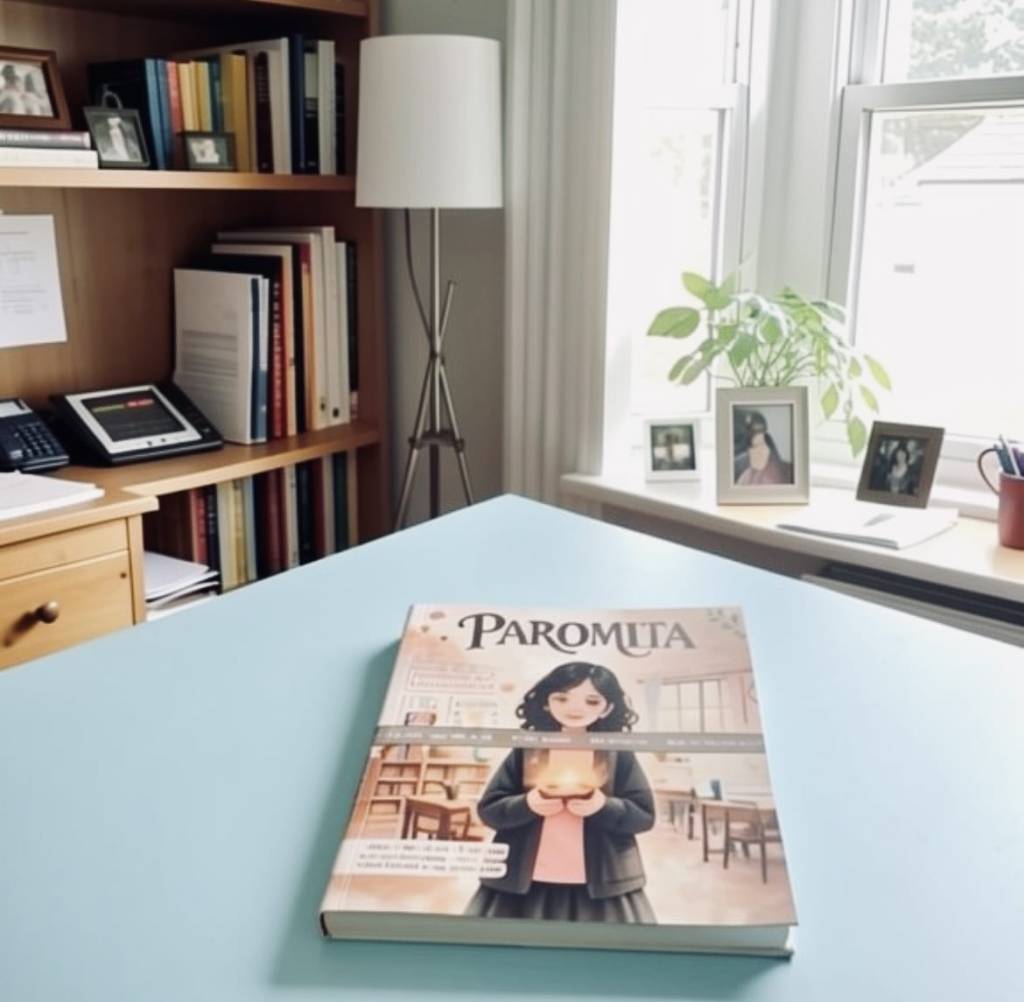
Kids already possess an incredible capacity for deep emotion; they just don’t use complicated vocabulary to express it. The illustrations did a lot of the emotional weight for me, and I am very grateful for the way that my illustrator, Abdullah was able to pair the illustrations with the depth of emotion in the book.
Q: Many writers say that writing for children is more difficult than writing for adults because children immediately connect with honesty. Was that true in your experience as well?
Writing this book taught me that children don’t need us to protect them from big feelings; they just need us to be as brave and honest in our storytelling as they are in their everyday lives.
Q: There is a quiet warmth in stories that help children feel seen and accepted. Was there a particular emotional experience or memory that shaped this story?
Writing this book was a deeply humbling process of looking back at my younger self and remembering the exact weight of those childhood anxieties.
Q: Identity and belonging are themes that resonate across all ages. Did you consciously write the book for parents and adults too, beyond young readers?
My primary focus was simply trying to be as honest and gentle with my younger self as possible. Since identity and belonging are lifelong human struggles, I think the book naturally ended up speaking to the shared experiences of both generations.

Q: In a world where children are constantly exposed to labels and comparisons, what message do you hope young readers take away from your book?
My hope is for it to foster a world that is a bit kinder and more respectful of the unique names and different backgrounds that make up who we are, and for children to embrace their culture and identity with pride.
Q: As a debut author, what surprised you the most about the journey from idea to publication?
Hearing children and parents interpret Paromita in ways I never personally intended has been the most beautiful, unexpected reward. I am filled with gratitude for the editors, illustrator, and early readers who actually brought Paromita to life.
Q: Finally, what kind of stories do you hope to continue telling in the future, and what can readers look forward to next from you?
I am currently writing a second book, and I hope to create more stories about Paromita’s experiences in the future.
Visit Paromita on https://paromitadebooks.com/
About the Book
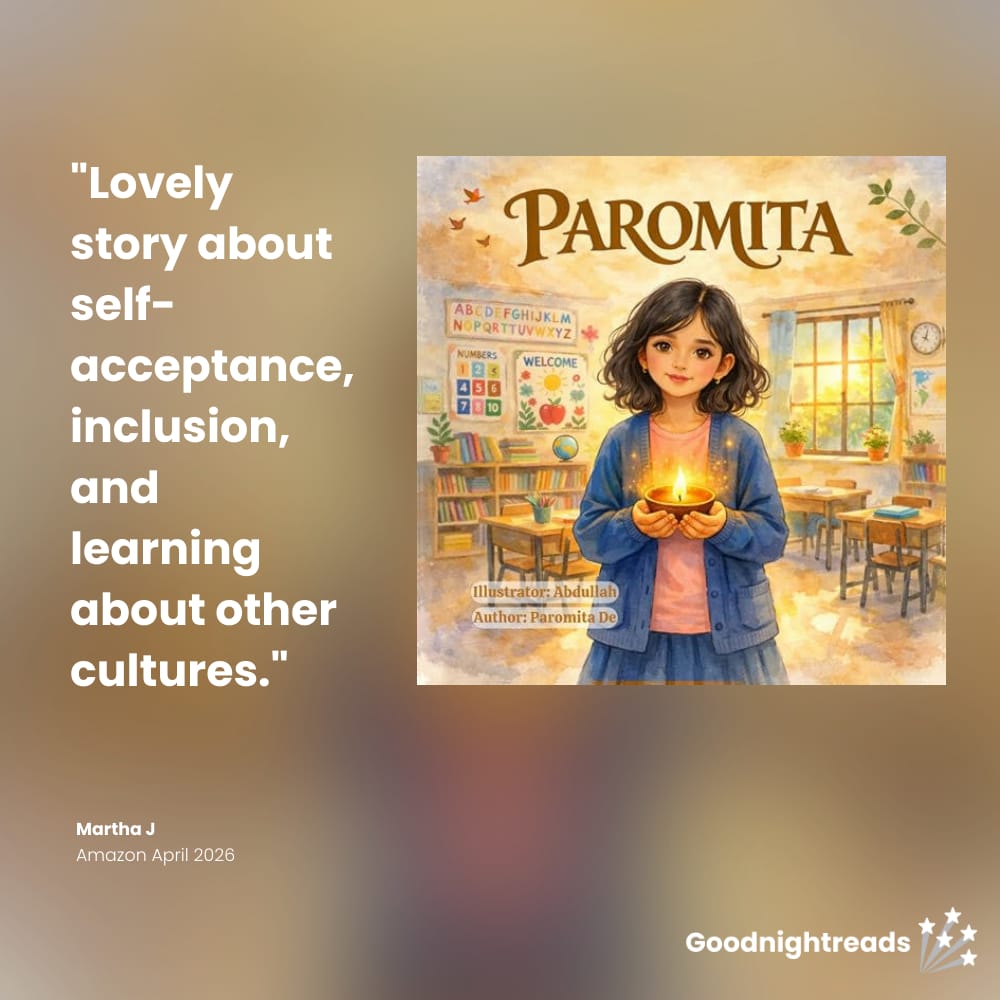
Some kids worry about homework. Paromita worries about her name. When her teacher twists her name into something that sounds like a sputtering car engine, the whole class laughs, and Paromita’s confidence hits the floor.
Paromita follows a young Indian girl who once loved her beautiful name and the kathak dances she learned from her grandma. But at school, her name becomes a target. Between “Parooometer” and “Parrot,” she decides that life might be easier if everyone just called her “Pat.” Spoiler alert: it isn’t.
What follows is a story about pride, identity, and a seven-yard sari. Paromita finds her voice again at the school talent show, where she performs her kathak dance and tells everyone exactly what her name means, where it comes from, and why mispronouncing it is more than a simple mistake. By the next day, her classmates see her differently, and she learns that being herself is far stronger than trying to fit in.
This story gives young readers a look into how cultural identity and confidence can grow from pain and pride in equal measure. It shows how a child’s voice can shift how others see difference.
Purchase here:

