An Interview with Jason Arnold|Author of ‘A Beginner’s Guide To Wine’

Today I’ll be hosting author Jason Murray Arnold on my blog. His debut book, “A Beginner’s Guide To Wine” published in June 2020 is available at Amazon.com.
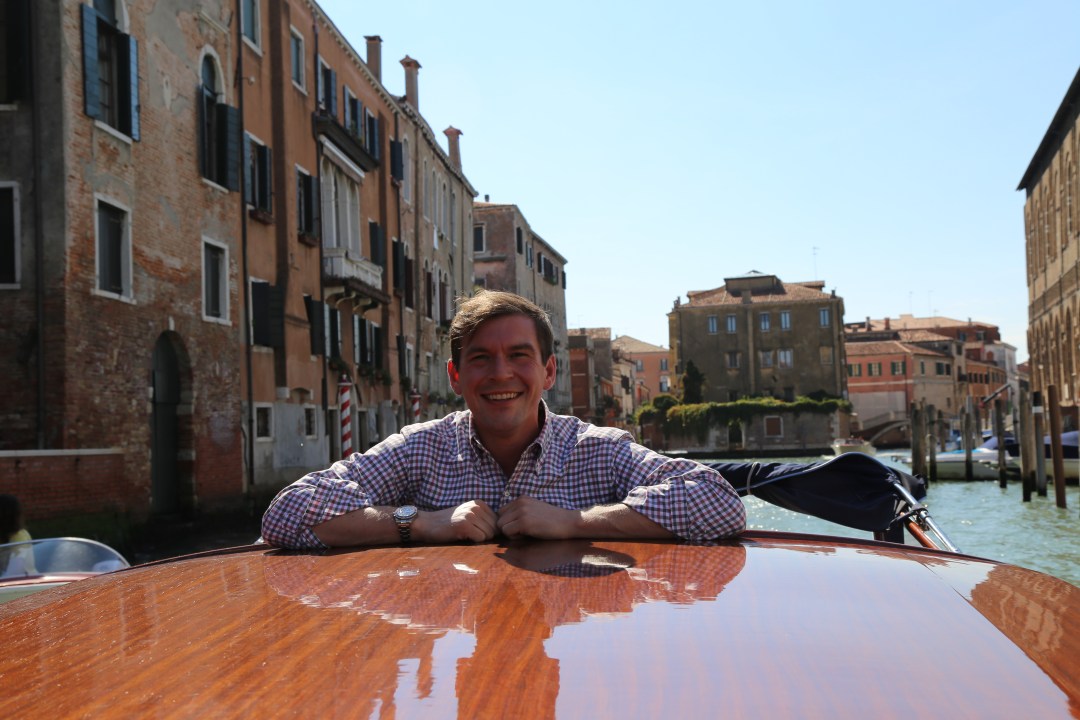
Jason Arnold 2

Me: What inspired you to start writing The Beginner’s Guide to Wine?

Jason: I think, more than anything, it had to do with the fact that while I was learning to appreciate wine, I just couldn’t find a simple guide to start. I had to learn everything the hard way, by getting out there and asking questions. Sure, there are courses on wine, but they aren’t very approachable to the beginner. Too often, they contain information that you can’t begin to grasp while just getting started. The language of the wine world can seem like an entirely different language at first. I read that there are thousands of words used to describe the taste of wine. That can be overwhelming to the beginner. So, I’ve tried to make this book the answer to that problem. How can you understand wine when you don’t have years of learning and lack the experience that trying a few hundred wines brings?

During my career, I’ve had the opportunity to travel and try so many different wines. But the one thing I’ve learned when discussing wine with the people I’ve met along the way is that many of them felt exactly how I did when I began. They find even the basics of wine difficult to understand. I mean with all the fancy words, it’s no wonder that’s true. With so many different varieties of wine and so many different wine growing regions, it can be confusing. They find it difficult to understand what makes one red so drastically different from another. So I tried to explain these things, as easily as I could. The book is my attempt at making the world of wine understandable to the average person. My hope is that by the end of the book, the reader will appreciate everything that goes into making fine wine.

Me: Can you share a snippet that isn’t in the blurb or excerpt?

Jason: Oh, what to share? It’s hard to share just one thing. But I think I’ll share a bit an excerpt from my chapter on American wine. It’s about wines made in Missouri, which is something that very few people, even in the wine world, know much about. But it’s an area that grows a variety of grapes that you, otherwise, rarely see made into wines, which makes it special.

“Missouri is perhaps most famous for producing wine in the corridor known as the Missouri Rhineland. This winegrowing region was founded by German immigrants in the early to mid-nineteenth century. By the 1880s, Missouri was the country’s top wine-growing region. It was the Napa Valley of its day.

Today the state benefits from Missouri’s long summers and thin rocky Ozark soil. Missouri is even known as the cave state for its many underground caverns. There, wineries often utilize the natural cellars. Missouri’s most prominent variety of wine is the state grape, the Norton. But it also produces plenty of sweet wine with native grapes, such as the Concord. Most vineyards also plant French-American hybrids, such as Vignoles and Chardonel.”
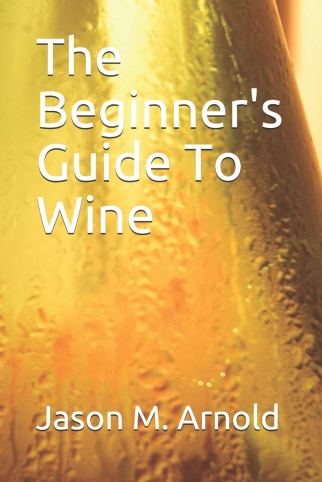
61fAlvNmDVLPurchase here: Amazon.com 

Me: When did you first realize you wanted to be a writer?

Jason: I don’t think I ever planned to be a writer. In my professional life, I’m an accountant. I have both a Bachelor’s and Master’s degrees in business. But, I’ve always been passionate about wine. It’s one of my favourite things in life. Wine is something that I appreciate like one would appreciate art. You can describe a particular wine in so many different ways. I suppose you could say each bottle is its own work of art. For me, writing this book was a labor of love. I wanted to share what I’ve learned with others.

Me: What is the most difficult part of your artistic process?

Jason: For me, most difficult part was deciding what information to include and what to exclude. Some things certainly seemed vital, but others more trivial. The Beginner’s Guide to Wine is supposed to be an introduction to wine, and if not for having an editor to reign me back in,  I could have gone on and on about all the finer details and nuances of winemaking. The final work, I hope, provides enough information to answer all questions a newbie would have without overreaching. One of the motivations for writing this book is to encourage the reader explore wine even further. I don’t want them to stop here.

Me: What is the most surprising thing you discovered while writing your book?

Jason: When I began this book, I had a pretty good grasp of the major wine grapes and the regions. I could describe the difference between all of them. But I really didn’t know a lot about the history of wine. That took research. From the famous story of Jesus turning water into wine, I knew that wine was around at least as early as Rome. But, I discovered, that it actually goes back thousands of years before that. That surprised me.

Me: Who is your favourite author and why?

Jason: I’d have to say my favourite author was Francis Scott Fizgerald. Not because he struggled with alcoholism, writing about a probation era in The Great Gatsby, but because of his incredible depictions of the Jazz Age. His work always seemed to me like the work of a romantic and the themes of youth, despair, and age resonate with us all. He’s a classic American author that deserves all the acclaim he’s received.

Me: What books or authors have most influenced your own writing?

Jason: There is a 1971 book by Hugh Johnson and Jancis Robinson called The World Atlas of Wine. I’d say that it was one of the first essential works of literature on wine. They revised it last year and it contains some of the most descriptions of wine and the regions in which it has grown.

Me: Writing can be an emotionally draining and stressful pursuit. Any tips for aspiring writers?

Jason: Well, if you actually want to finish the book, you have to just sit down and write it. You have to keep writing it. Too many distractions and too much planning can both kill your ability to actually get anything done. Words have to hit paper or you’ll never finish. But, I think that the most important thing is to write about something you’re interested in. If you’re not passionate about what you’re writing, it’ll be hard to find the motivation to finish.

Me: If you had to describe yourself in three words, what would they be?

Jason: Just three words? Methodical, meticulous, and sophisticated.

Me: Are you working on anything at the present you would like to share with your readers about?

Jason: Well, I’m going to start blogging about wine. Before this book, I really didn’t write much. But now, I don’t want to stop. I want to continue sharing knowledge about wine and diving deeper into specific topics. This book is just an introduction. Maybe I’ll write a book specific to Missouri wine. It’s an underrated wine region. And it’s the next obvious, move for me. I mean, that’s where I live and work. There are some great vineyards in my backyard.

You can contact Jason at jasonmurrayarnold@gmail.com or visit him at https://jasonmarnold.com/.

About the Book
71Ao7KAnS7L

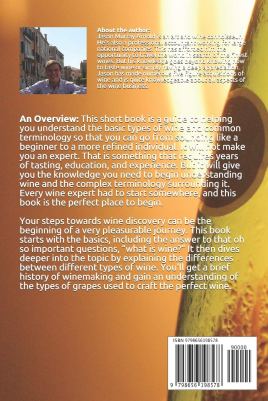
This short book will serve as a guide to help you understand the basic types of wine and common terminology so that you can go from sounding like a beginner to a more refined individual. It will not make you an expert and certainly not an oenophile. That is something that requires years of tasting and practice. Yet, even the experts had to start somewhere. In this book, we will start with the basics, including the answer to that oh so important question, “what is wine?”

The beginner’s guide to wine is available in paperback and Kindle editions from Amazon.com


About the Author
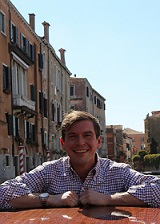
author

Jason Arnold is a wine connoisseur, art collector, and accountant. A frequent traveler, he can be found scuba diving, skiing, and exploring the great outdoors while in search of finest wines. He enjoys pairing unique wines with exotic cuisine and finds the vine to one God’s gifts to humanity.
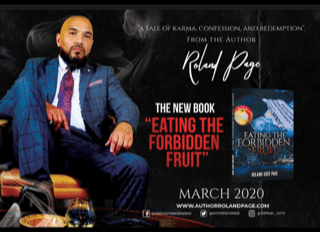
An Interview with Author Roland Sato Page| Author of ‘Eating the Forbidden Fruit’

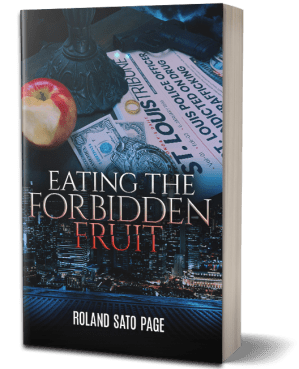
Today I’ll be hosting author Roland Sato Page on my blog. His debut novel, Eating the Forbidden Fruit is a gritty fiction loosely based on true events in the author’s life.

Screenshot 2020-02-03 at 3.11.57 PM (1) (1)

Me: What inspired you to start writing Eating the Forbidden fruit?

Roland: My mother passed two years ago, I promised her I would finish what I started. Actually, I wrote the novel many years ago just never completed the story. So I felt compelled to finish the book leaving a written blueprint for my legacy to pass down for generations to come. Also, writing helps manage my depression due to Lupus.

Me: Can you share a snippet that isn’t in the blurb or excerpt?

Roland: Sure! One section that stands out is the last time I spoke with my father. On a Thursday afternoon, my father and I had a bad falling out. He told me he was worried about the company I was keeping and what I was doing to get the amount of money I had. I informed him there was nothing to worry about I had everything under control. The conversation escalated to an argument resulting in me saying something every disrespectful. I left St. Louis traveling to Central State University in Warrensburg Mo to visit my brother. I needed to clear my head. However, before I left something was unsettling to me. I knew I made a mistake. I wanted to turn around and go tell my pops I was sorry for what I said. Yet my pride clouded my judgment. I eventually arrived in Warrensburg on a Friday. I discussed the situation with my brother. I told him I felt so bad. Soon as I returned to St. Louis I needed to apologize to our father. It was good to get out the city, but I really could not enjoy myself in Warrensburg. I passed the time meeting different girls and just being totally reckless. Selling drugs and sleeping with random girls I barely knew. Saturday evening rolled around, word got to me my brother was looking for me on campus. Once I found him. He rushed to me grabbing by the arms. “Where you been?” He screamed. I looked confused pushing him back. “What’s wrong man?” I replied. He started to cry, “I been looking all over for you. Pops passed away. He had a heart attack.” At that moment my world collapsed. The reality set in. I cursed my pops out on a Thursday and Saturday he departed. I would never have the change to apologize.

Me: When did you first realize you wanted to be a writer?

Roland: I write out of necessity to maintain my sanity. Depression is real. I suffer from PTSD.

49348577

Amazon.com Amazon.in Goodreads

Me: What is the most difficult part of your artistic process?

Roland: Getting motivated is the biggest obstacle. Lupus makes me quite fatigued. Sometimes I have to push myself to finish writing.

Me: What do you think makes a good story?

Roland: It’s a true story many can relate to. A down to Earth tale of karma. We all fall from grace sometimes more than once.

Me: What is the most surprising thing you discovered while writing your book?

Roland: Eating the Forbidden Fruit allowed me to archive so many memories I thought I forgot. Good memories that can never be replaced.

Me: How do you deal with the emotional impact of a book (on yourself) as you are writing the story?

Roland: On so many occasions I cried and laughed. I realize I been fortunate to have a supportive family. I truly believe that’s what fared me through the storm.

Me: Who is your favorite author and why?

Roland: Stephen King his is the G.O.A.T! His creativity is untouchable. I am also a tattooist, a visual artist so I appreciate the way he transforms his books into film masterpieces. The ideas he comes up with amazes me. It’s like is he even human.

Me: What books or authors have most influenced your own writing?

Roland: S.E Hinton “The Outsiders” a book before it’s time. A true tale of prejudices, bullying, and underdog becoming a hero.

Me: Writing can be an emotionally draining and stressful pursuit. Any tips for aspiring writers?

Roland: Well for me I write about things I am familiar with which get my creative juices flowing. If I have to research to write something. I lose interest.

Me: If you had to describe yourself in three words, what would they be?

Roland: Humble, Committed, and Spiritual.

Me: Are you working on anything at the present you would like to share with your readers about?

Roland: Yes indeed. My second novel titled “Skin Deep” about the temptations in the body art industry. When you dealing with skin and woman as a married man the drama is plentiful.

Connect with Roland on: Website Instagram

About the Book

ETFF_web_001

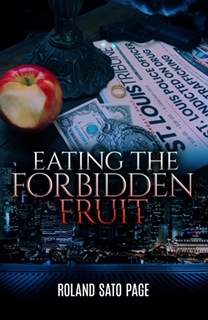
Eating the Forbidden Fruit is a gritty fiction novel loosely based on true events in author Roland Sato Page’s life. The newcomer author delivers a personal journey into his rise and demise as a St. Louis City Police Officer. He takes the readers on a roller coaster ride of good ole family memories to the nightmarish reality of being a police officer indicted on federal drug charges. During his trial, he wrote memoirs as a testimonial of redemption. Roland’s case stems from the conflict of his childhood affiliation and his oath to uphold the law. What is certain is one can’t run from sin for karma is much faster.

Purchase here: Amazon.com Amazon.in

Author Interview: Aditya Tiwari

Untitled design (2).jpegA conversation with Aditya Tiwari, author of April is Lush, published by Bluerose Publishers
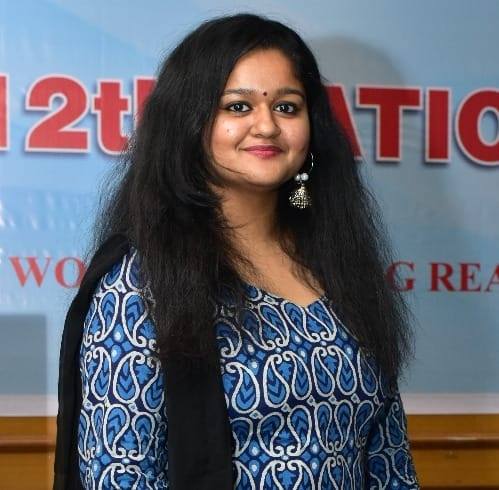
  1. Tell us about yourself.

Hi, my name is Aditya-Tiwari, I am 21-year-old, brown, queer, writer, and a storyteller, based in India.

  1. If not being an author, what was your dream in life?

My dream in life if I wasn’t an author would’ve been to become an actor or a model.

  1. Who do you attribute your success to?

I dedicate this book and the success to my family and friends, it wouldn’t have been possible without them. They are the ones who love me for me and I am so beyond grateful for that.

  1. Any message you would like to give to your readers?

I want my readers to know that there is magic their veins. I want them to believe in themselves and know that nothing or no one can stop them and always remember that it’s time they realize that it’s all inside of them. They just have to believe in themselves. It’s always been there all along.

  1. Who or what inspired you to write the book?

In this first book, I have turned all my pain. into poetry. into art. Writing is my self-expression and it comes to me naturally to me like fresh air. I poured my everything into this book – the book is inspired by a lot of personal struggles and inner battles.

Author Interview: Riddhi Pranay Wagle

A conversation with Riddhi Pranay Waghle, author of To petrichor, published by Bluerose Publishers

52597925_553037061848145_2667636734807769088_n.jpg

  1. Tell us about yourself.

Ans. I am the girl you see sitting in a park with a notebook and pen, the kind of person you see walking alongside an elderly couple, secretly admiring them, or the one who keeps short notes in the restaurants I visit, for someone who’d come to clean my table after I leave. I have been the happy-go-lucky person since my childhood, yet I grew up believing that books make better friends. I find poetry, my safe place, my home. I am pursuing English Literature currently, and with all my passion. Besides, I wish to make people read more poetry, because verses don’t lie, and lately; we’ve stopped Living and just started Surviving. I find solace in verses, and soul in fiction. I sincerely feel that words have more power, if directed correctly.

  1. If not being an author, what was your dream in life?

Ans. My impulsive trait has taught me to be versatile. I studied Science up to class 10, Commerce in Senior Secondary, and Currently, I am going with Arts. Since I like trying new things, there is no One Dream I could’ve turned into reality, if I wasn’t an Author. But I would have gone with Travel Journalism to satisfy my Wanderlust. This is on my list, for the time being. I had started writing since a very young age, since the days I had newly turned a teenager. When kids my age would wander around with their friends on their bicycles, I would hawk fiction to tuck my mind and conscious in them. My love for books is irreversible. It can be said, I haven’t really known anything else apart from Reading and Writing.

51ZKSeJNnRL._SX313_BO1,204,203,200_

  1. Who do you attribute your success to?

Ans. I was the student in the class, who would never get up on herself to take a stand, or even answer a question, even if I had practiced it a ten times in my notebook, and was confident about it. Everything was running fine, until I wrote my first poem. It was class 8, and I straight went to my English teacher Mr. Rajendra Singh Aluna, who not only appreciated me for that piece of verse, but also encouraged me to write more and interact more. The seed had germinated, and it brought confidence, light, hope and positivity as it grew. My paths were now clearer than before, my ship was ready to sail.

Secondly, it is my family, my home. Not only I learnt the basics of my Native language, but the basics of Life; to give, to forgive, and to achieve. I know, my parents live their life in installments, that we (I and my sister) bring to them as we walk each step towards our dreams, to conquer life. They have wholly shaped me to be a better version of myself till the day I die. Their enormous support is the reason why everything that I have achieved, was marked. So this, is for them. For making me a good human being first, and to let me design my life in my own way, to make things the way I want, to keep me in the limelight.

  1. Any message you would like to give to your readers?

Ans. ‘To Petrichor’ is a creation solely from the Heart. Each word, each verse has been felt with a lot of Gravity not only to be written, but also to make others feel the same depth as they read it. I feel readers are as important as writers, but being a good critique as you read, is more than important when it comes to a path full of writers. Find art, is also an art, which starts when you read good, and you read more.

The book I present to you, is a rollercoaster ride from 9pm to 3am, from 4:30 pm to 10:30 pm. It has perspectives, it has sentiments, it shows both, male and female perspectives, but in the end; it isn’t what I felt once, it is what we all feel every day. It is when we call take up our call and answer the universe. It is when we all, randomly find ourselves sitting and smiling, and that; is exactly when we react to the signs sent by the Universe. I sincerely hope, you find yourself in the pages of this book, that you find yourself smiling randomly as you recall one of the verses that you most connected to.